
- Verwey C, Nunes M. RSV lower respiratory tract infection and lung health in the first 2 years of life. The Lancet Global Health. 2020;8(10):e1247-e1248
- HSC. Respiratory Syncytial Virus (RSV): questions and answers. link Accessed: August 2022.
- Piedimonte, G and Perez, M. Respiratory syncytial virus infection and bronchiolitis. Pediatr Rev. 2014;35(12):519-530
- Mayo Clinic. Respiratory syncytial virus (RSV): Symptoms & causes. link Accessed: August 2022.
- Del Riccio et al Burden of Respiratory Syncytial Virus in the European Union: estimation of RSV- associated hospitalizations in children under 5 years J Infect Dis 2023, 228(11):1528-1538
- Wennergren, G and Kristjånsson, S. Relationship between respiratory syncytial virus bronchiolitis and future obstructive airway diseases. Eur Respir J. 2001; 18:1044–1058 DOI: 10.1183/09031936.01.00254101
- Murray, J., Bottle. A., Sharland, M. et al. Risk Factors for Hospital Admission with RSV Bronchiolitis in England: A Population-Based Birth Cohort Study. PLoS One. 2014; 9(2)
- Cane PA Molecular epidemiology in Respiratory Syncytial Virus Rev Med Virol. 2001;11(2):103-116
- ReSVinet, Learn about RSV link
- European Vaccination Information Portal link
- «Τροποποίηση Εθνικού Προγράμματος Εμβολιασμών Παιδιών και Εφήβων 2026-Χρονοδιάγραμμα και Συστάσεις» Αθήνα, 4/3/2026 Aριθ. Πρωτ. Δ1α/ οικ.10774.
- HSE. Bronchiolitis. link Accessed: August 2022.
- HSE. Croup. link Accessed: August 2022.
- HSE. Pneumonia. link Accessed: August 2022.
- Pneumonia. The Royal Children's Hospital Melbourne: link Accessed: August 2022.
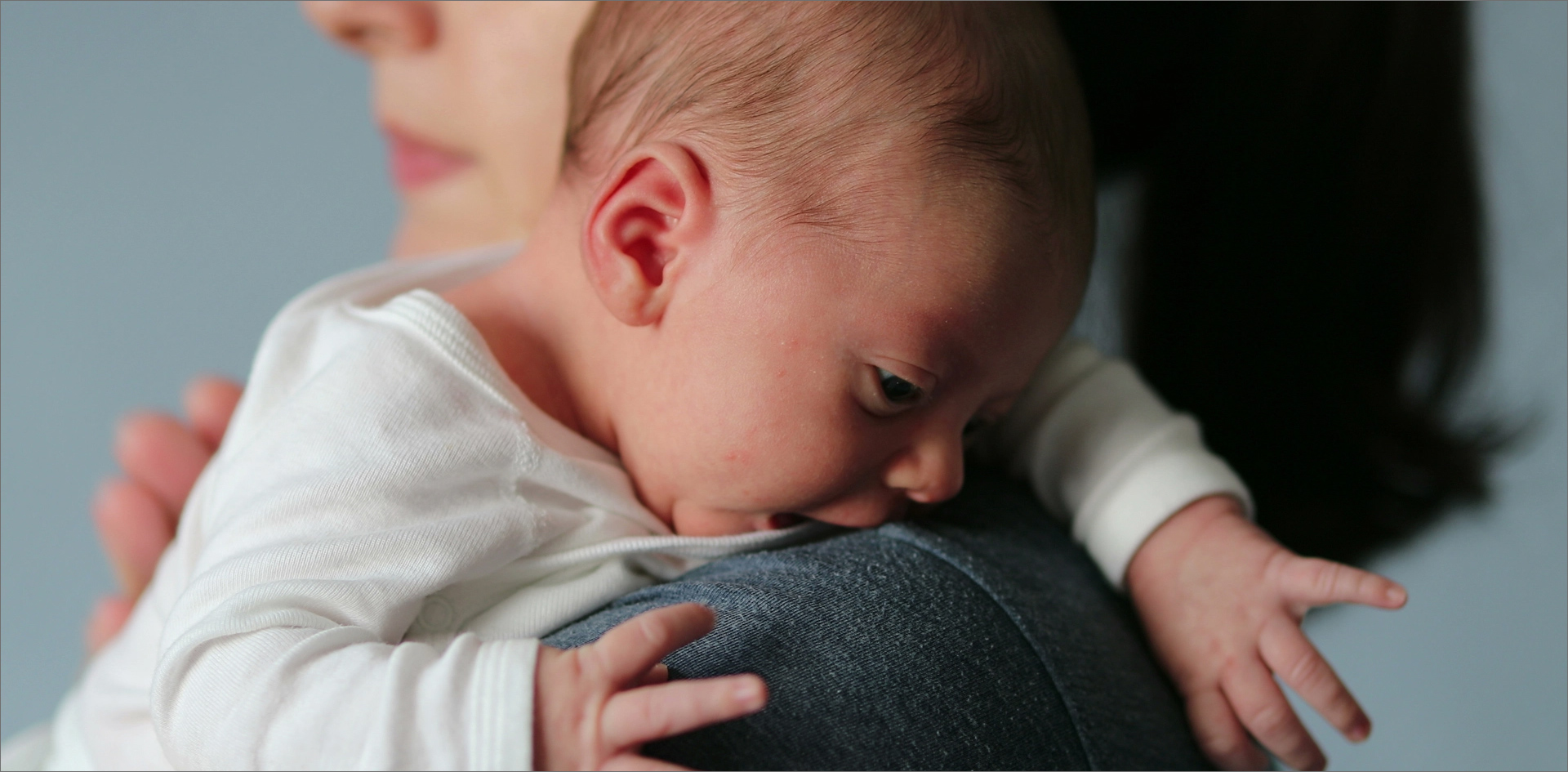
Respiratory syncytial virus (RSV) is a common virus that can cause infection of the lower part of the respiratory system in infants. These are known as lower respiratory tract infections (LRTIs).1
The infection causes the smallest airways in the lungs (the bronchioles) to become infected and inflamed.2 Bronchiolitis and pneumonia are types of LRTIs that are often caused by RSV.3
It is currently possible to prevent RSV infection in infants through the administration of a monoclonal antibody, in accordance with the National Vaccination Program.11
KNOW THE FACTS
WHO CAN GET RSV?

RSV can infect people of all ages, adults and children, however, it may cause more severe illness in infants under 12 months old.4 In a European study calculating hospitalizations due to RSV in children <5 years of age, Greece ranks among the top 4 countries with the highest number of infant hospitalizations due to RSV infection. 78.2% of hospitalizations involve children under one year of age.5
RSV AND INFANTS

All infants are susceptible to getting an RSV infection, by the age of two years old ~90% of young children have been infected with RSV.6 Most RSV infections in babies are mild and will typically clear up within a few weeks on their own. However, some cases can be more serious and hospital care may be needed.4
SEVERE RSV

Premature babies, or those with certain medical conditions, may be at greater risk of more severe illness.
However, the majority of babies needing hospital care for RSV are healthy and born at term. Therefore, it can be difficult to predict whether your baby will experience mild or more severe symptoms of RSV infection.7
WHEN IS RSV SEASON?

RSV infections usually occur seasonally in temperate climates, such as Greece, with epidemics occurring from November to March.8
TREATMENT
WHAT PRECAUTIONS CAN I TAKE?

There are precautions you can take to protect your baby from RSV. These include:10
- Frequent hand washing for 20 seconds
- Keeping your hands away from your face
- Disinfecting surfaces and toys
- Avoiding close contact with others who may be showing symptoms of carrying the virus
PREVENTION

Monoclonal antibodies against respiratory syncytial virus (RSV) can protect — according to the National Vaccination Program for Children and Adolescents 2026 — all newborns born during the period of increased RSV circulation (November 1 to March 31).
They can also protect infants belonging to certain high-risk groups from the age of 6 months to 24 months by administering the monoclonal antibodies at the beginning of the RSV season.
Infants born at a certain time of year could also be protected through vaccination of the pregnant woman.11

What are the symptoms of RSV-related illness in infants?
According to HSPC resources, symptoms of a lower respiratory tract infection (LRTI) caused by a virus such as RSV, are usually:9
- Fever
- Runny nose
- Sore throat
- Cough and sometimes croup (a barking cough caused by inflammation of the upper airways)
- Wheezing
- Decreased appetite
- Ear infections (in children)
All infants are at risk of more severe RSV illnesses such as bronchiolitis, croup and pneumonia.3,12,13,14
While RSV is one cause of these three illnesses, bronchiolitis, croup and pneumonia can also be caused by other viruses.3,12,13,14

It is recommended that you should contact your doctor if you are worried about your child’s symptoms, or notice any of the following:12
- your baby has had less than 3 to 4 wet nappies in a 24 hour period
- your baby has gone 12 hours without having a wet nappy
- your baby has no energy to breastfeed, or if they are refusing to feed. Or if your baby is too breathless to attach to your breast
- you are bottle feeding and you notice your baby is taking less than half of what they would normally take
- your child has a persistent temperature of 38°C or higher
- your child seems breathless
- your child is listless or irritable
Although not common, sometimes, if you notice the following symptoms, you may need more urgent help:3,12,13,14
- your child is having severe difficulty breathing
- your child’s lips or tongue are blue
- there are long pauses between each breath your child takes
- your child will not stay awake or wake up
If you’re concerned about your baby, you should always seek immediate medical advice.
WHAT IS BRONCHIOLITIS?
Bronchiolitis is one of the illnesses that can be caused by RSV. It’s a common lower respiratory tract infection (LRTI) that affects infants and young children under two years of age. Most cases are mild and clear up within 2 to 3 weeks without the need for treatment.
Early symptoms of bronchiolitis are similar to those seen with a common cold, for example runny nose and a cough. More symptoms may develop and can include a fever, dry persistent cough, wheezing and difficulty feeding. Bronchiolitis can sometimes worsen, meaning that infants may struggle to breathe and need to be admitted to hospital.12

WHAT IS CROUP?
Croup is another illness that can be caused by RSV. It’s a common childhood condition that mainly affects the airways of infants and young children.
Symptoms of croup are characterised by a barking cough which sounds similar to a seal, a hoarse voice, breathing difficulty, and a rasping sound when drawing breath in.
Croup often begins with cold-like symptoms which can worsen at night.13
WHAT IS PNEUMONIA?
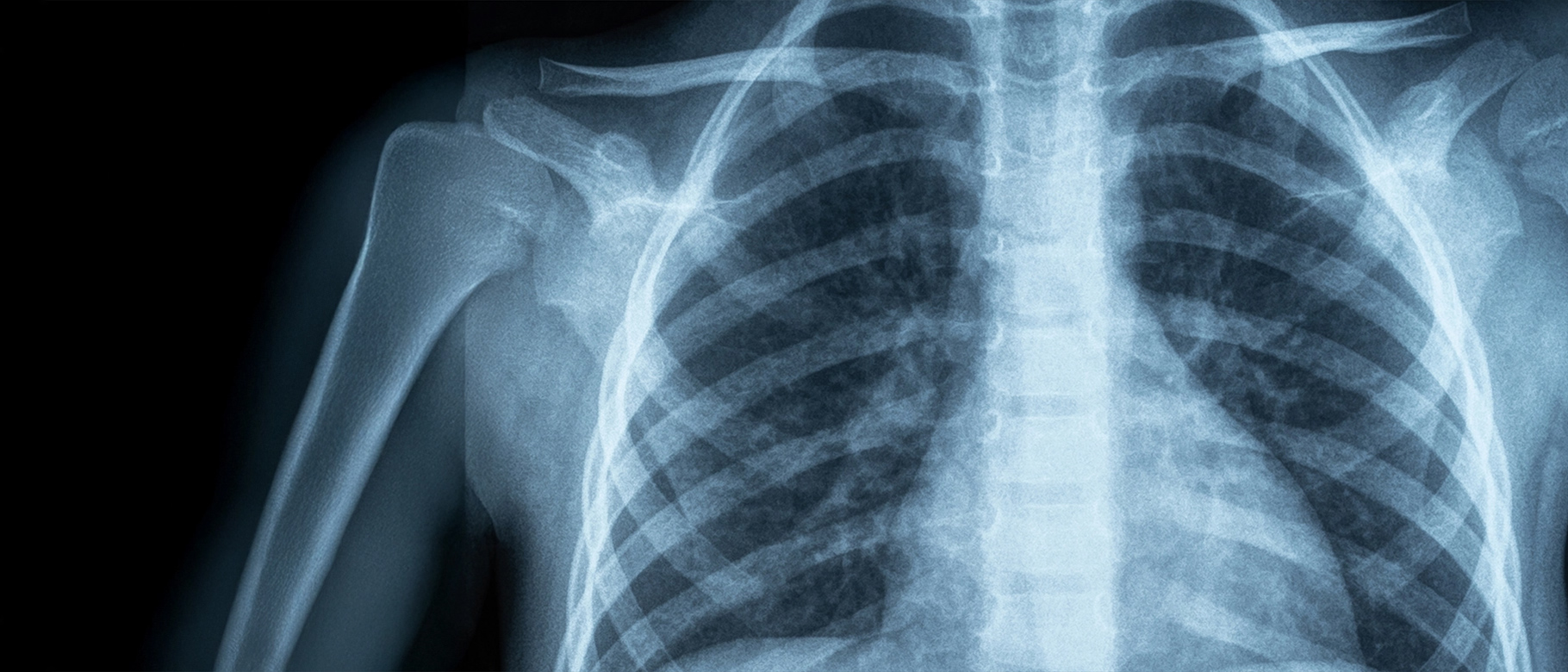
RSV can also cause pneumonia. Pneumonia is an infection characterised by swelling (inflammation) of the tissue in one or both lungs.
Symptoms in infants include a cough, rapid heartbeat, high temperature, irritability or being more tired than usual and difficulty breathing – infants may bob their heads when breathing.14,15