- Wennergren, G and Kristjånsson, S. Relationship between respiratory syncytial virus bronchiolitis and future obstructive airway diseases. Eur Respir J. 2001; 18:1044–1058 DOI: 10.1183/09031936.01.00254101
- John S, Tregoning J and Schwarze J. Respiratory Viral Infections in Infants: Causes, Clinical Symptoms, Virology, and Immunology. Clin Microbiol Rev. 2010; 23(1): 74–98
- Mayo Clinic. Respiratory syncytial virus (RSV): Overview. link Accessed: August 2022.
- Vaccine Knowledge Project – University of Oxford. Respiratory Syncytial Virus (RSV). link Accessed: August 2022.
- Johns Hopkins Medicine. Croup. link Accessed: August 2022.
- Piedmonte, G and Perez, M. Respiratory syncytial virus infection and bronchiolitis. Pediatr Rev. 2014: 35(12): 591-530
- National Foundation for Infectious Diseases. Respiratory Syncytial Virus (RSV). link Accessed: August 2022.
- Grifin M et al. Single – dose nirsevimab for prevention of RSV in preterm infants N Engl J med 2020;383(5)415-425'

Welcome to the RSV Hub.
Here you can learn more about respiratory syncytial virus (RSV), the illnesses it causes to babies and associated symptoms.
What you should
know
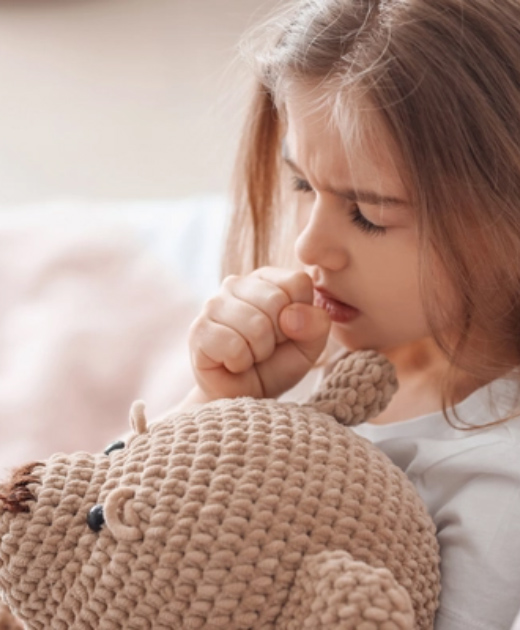
RSV INFECTIONS
Most RSV infections in babies are mild and clear up on their own within a few weeks, however, some cases can be more serious.3
There are approximately 30,000 babies and children under five that are hospitalised every year due to RSV.4 Croup, bronchiolitis, and pneumonia are examples of severe illnesses that can be caused by RSV.5,6
WHO IS AT RISK?
All infants are at risk of RSV.7 While most infections cause mild, cold-like symptoms,3 it’s important to be aware of RSV and understand how to spot the more severe symptoms.
With the right information, parents, parents-to-be and caregivers can feel better prepared, reducing worry or stress at a time when life can be stressful enough.
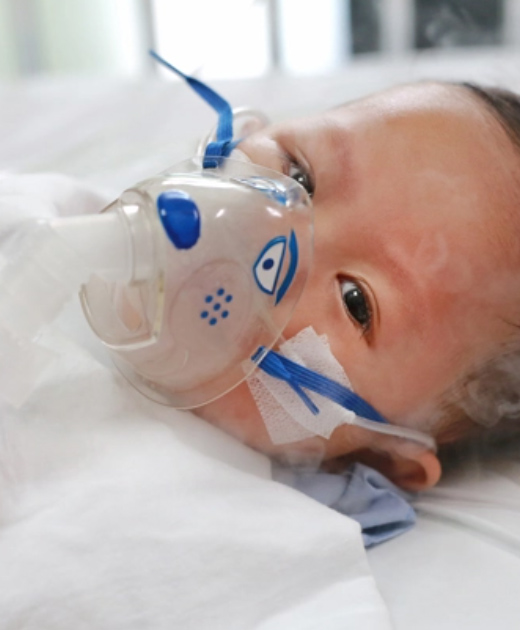
PREVENTION
There are precautions you can take to help protect your baby from RSV. These are the same steps you might take to prevent other common viral infections like:3,7
- Frequent hand washing for 20 seconds
- Keeping your hands away from your face
- Disinfecting surfaces and toys
- Avoiding close contact with others who may be showing symptoms of carrying the virus
Together Against RSV is a disease awareness initiative organised and funded by VIANEX that aims to educate and inform parents, expectant parents, and caregivers about respiratory infections in infants caused by respiratory syncytial virus (RSV).
It is important to inform parents that prevention is now possible with monoclonal antibodies administered from the first days of a newborn's life to protect them throughout the duration of RSV infection. Monoclonal antibodies can protect all newborns and infants before they come into contact with RSV.8